Common Lawn Weeds in Coastal SC
What you've got, what it's telling you, and when it can actually be treated.
Weeds are usually a symptom. Thin turf, wrong mowing height, too much water, or compacted soil creates the opening — the weed just takes it.
That's why the most effective weed control is a thick, healthy lawn. But you still have to deal with what's there now, and treatment timing depends entirely on correct identification.
Crabgrass
What it looks like: Coarse, light green, growing outward in a flat star pattern from a central point. Thrives in thin areas, along driveways, and anywhere soil is exposed and hot.
What it's telling you: Bare soil is getting sunlight. Usually from mowing too short or thin turf.
When to treat: Pre-emergent in late February, before soil hits about 55°F. Once it's up, pre-emergent does nothing and you're into harder post-emergent options. This is the single most timing-dependent weed here.
Dollarweed (Pennywort)
What it looks like: Round, glossy, coin-shaped leaves with the stem attached at the center — like a tiny lily pad.
What it's telling you: Too much water. Overwatering, poor drainage, or a leaking irrigation line. This is one of the most useful diagnostic weeds in your lawn.
When to treat: Post-emergent while actively growing — but fix the moisture or it comes right back. Check your irrigation schedule first.
Dollarweed is a watering problem wearing a costume
If you have a patch of dollarweed, look directly above it and around it. Nine times out of ten there's an irrigation head overspraying, a low spot holding water, or a zone running far too long.
Nutsedge
What it looks like: Bright yellow-green, noticeably taller than surrounding grass a few days after mowing. Stems are triangular — roll one between your fingers and you'll feel the edges.
What it's telling you: Often wet or poorly drained soil, though it tolerates a range of conditions.
When to treat: It's a sedge, not a grass, so standard herbicides frequently fail. It needs a product specifically labeled for sedge. Pulling generally makes it worse — underground tubers respond by producing more shoots.
Florida Betony (Rattlesnake Weed)
What it looks like: Square stems, opposite leaves, small purple-white flowers. The giveaway is underground: white segmented tubers that look like a rattlesnake's rattle.
What it's telling you: Common in this region, especially in cooler months. Thrives while warm-season turf is dormant or slow.
When to treat: Fall through spring while it's actively growing. Difficult because the tubers persist; usually takes repeat treatments across seasons.
Chickweed & Henbit
What it looks like: Chickweed — small oval leaves, tiny white star flowers, low mats. Henbit — square stems, scalloped leaves, purple flowers.
What it's telling you: Winter annuals filling the gap while your lawn is dormant.
When to treat: Fall pre-emergent is the real answer — it stops them before they start. Post-emergent works in winter while they're small.
Annual Bluegrass (Poa Annua)
What it looks like: Light green clumps, finer than your turf, with distinctive seed heads even when mowed short. Very visible against dormant winter grass.
When to treat: Fall pre-emergent. Once established in winter it's difficult to remove selectively.
Doveweed
What it looks like: Thick, fleshy, grass-like leaves; spreads low and mat-like. Emerges late — often after most people think weed season is over.
What it's telling you: Wet conditions and thin turf. Common in centipede and St. Augustine here.
When to treat: Tricky, because it germinates later than crabgrass and can slip past a single spring pre-emergent. A second application timed for late spring helps.
The Two Rules That Prevent Most of This
- Pre-emergent twice a year. Late February for summer weeds, early fall for winter weeds. Timing beats product every time.
- Mow higher. Taller turf shades the soil, and most weed seeds need light to germinate. It's free and it works.
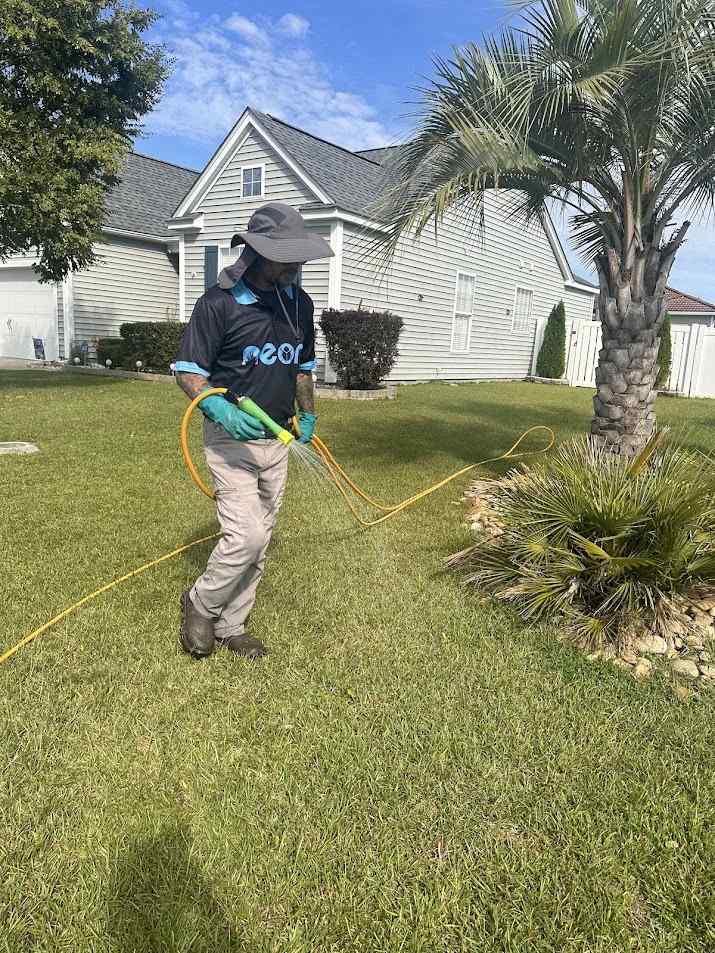
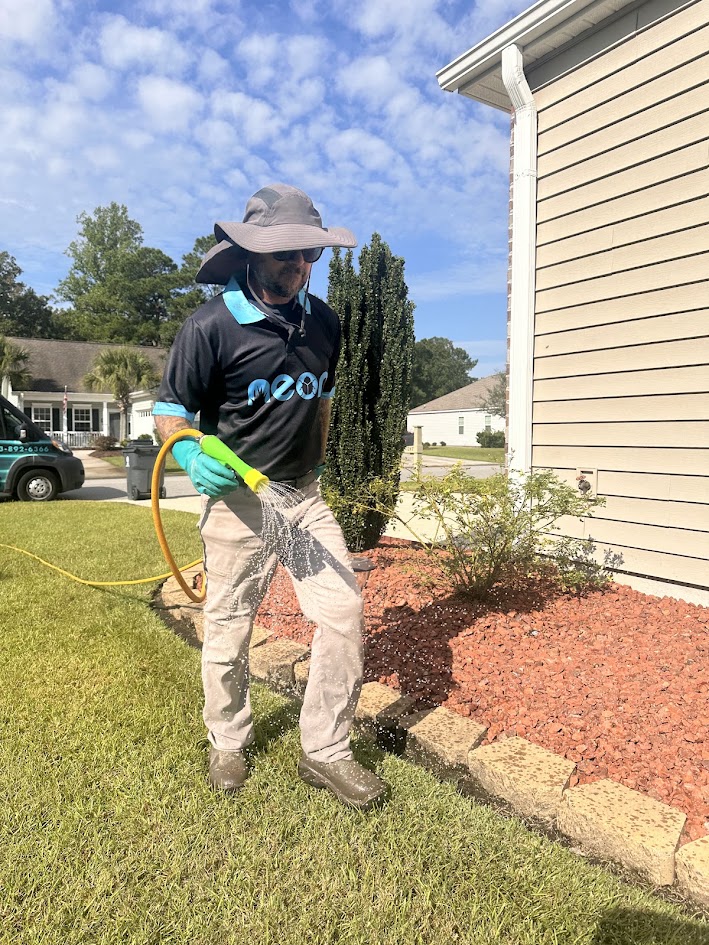
Our lawn program includes weeds treated on every visit plus four pre-emergent applications a year, which is what keeps the timing right without you tracking soil temperatures.
Common Questions
Can I just spray everything with one product?
No. Sedges need sedge-specific products, some broadleaf herbicides damage centipede and St. Augustine, and grassy weeds in a grass lawn are the hardest case of all. Wrong product on the wrong turf does real damage.
Why did weeds get worse after I fertilized?
Fertilizer feeds weeds too. If your turf is thin, the weeds are better positioned to use it. Fix density first — mowing height, watering, and pre-emergent timing.
Is it possible to have zero weeds?
Not realistically, and anyone promising that is overselling. Seeds blow in constantly. The goal is turf dense enough that they can't establish, plus timely treatment on what does.