
Why Your New Lawn Is Struggling
It looked perfect at closing. By year two it's thin and patchy. Here's what's actually happening.
If your home is less than five years old and the lawn is declining, the problem is almost certainly underneath it.
This is one of the most common calls we get in Longs and Carolina Forest, where a lot of newer construction sits on what used to be pine or farmland. Homeowners assume they've done something wrong. Usually they haven't.
What's Under Your Grass
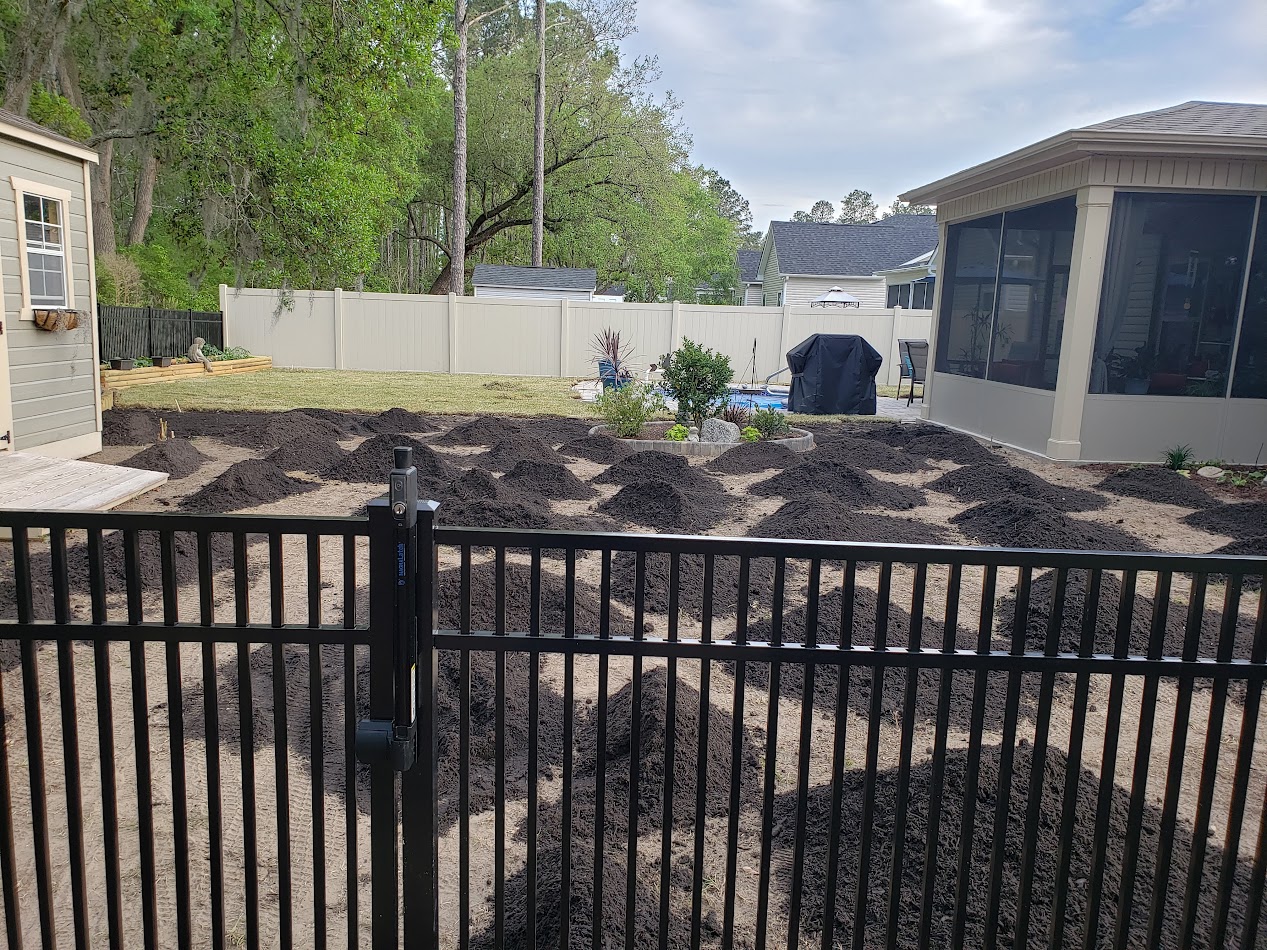
During construction, heavy equipment drives over the lot repeatedly. That compacts the soil into something closer to a hard pan than a root zone. When the house is finished, a thin layer of topsoil gets spread over it and sod goes down on top.
The result is a shallow layer of good soil sitting on a compacted layer roots can't get into. It looks great at closing because the sod is fresh and getting watered daily. Then establishment watering stops, summer arrives, and the shallow root system can't cope.
Year two is when it shows
Year one, the sod coasts on its own root mass and heavy watering. By the second summer it needs to be rooted deeply and it isn't. That's why so many people describe a lawn that "was fine last year."
How to Confirm It
Push a long screwdriver into the soil after watering. In healthy soil it slides in six inches or more without much resistance. On a compacted new-construction lot it often stops within two or three inches. That resistance is your problem.
Also look for: water pooling or running off rather than soaking in, grass that browns quickly in heat, and thin areas that follow old equipment paths.
What Actually Fixes It
Core aeration — the main tool
Pulling plugs of soil out relieves compaction and gives air, water, and roots somewhere to go. This is not a one-time fix on a compacted lot; it takes repeating over several seasons. Each round gets you a little deeper.
Correct watering
Deep and infrequent, forcing roots downward. Shallow daily watering on a compacted lot is the worst combination possible — it keeps roots in the exact layer that's already failing.
Raise the mowing height
Taller grass grows deeper roots and shades the soil. Free, and it matters more here than on established lawns.
Organic matter over time
Leaving clippings and topdressing with compost gradually builds soil structure. Slow, but it's the thing that actually changes the ground rather than working around it.
What Doesn't Fix It
- More fertilizer. Pushing top growth that a limited root system can't support adds stress. This is the most common thing people try and it frequently makes things worse.
- More frequent watering. Keeps roots shallow and encourages disease.
- Replacing the sod without addressing compaction. New sod on the same compacted base fails the same way.
Realistic Expectations
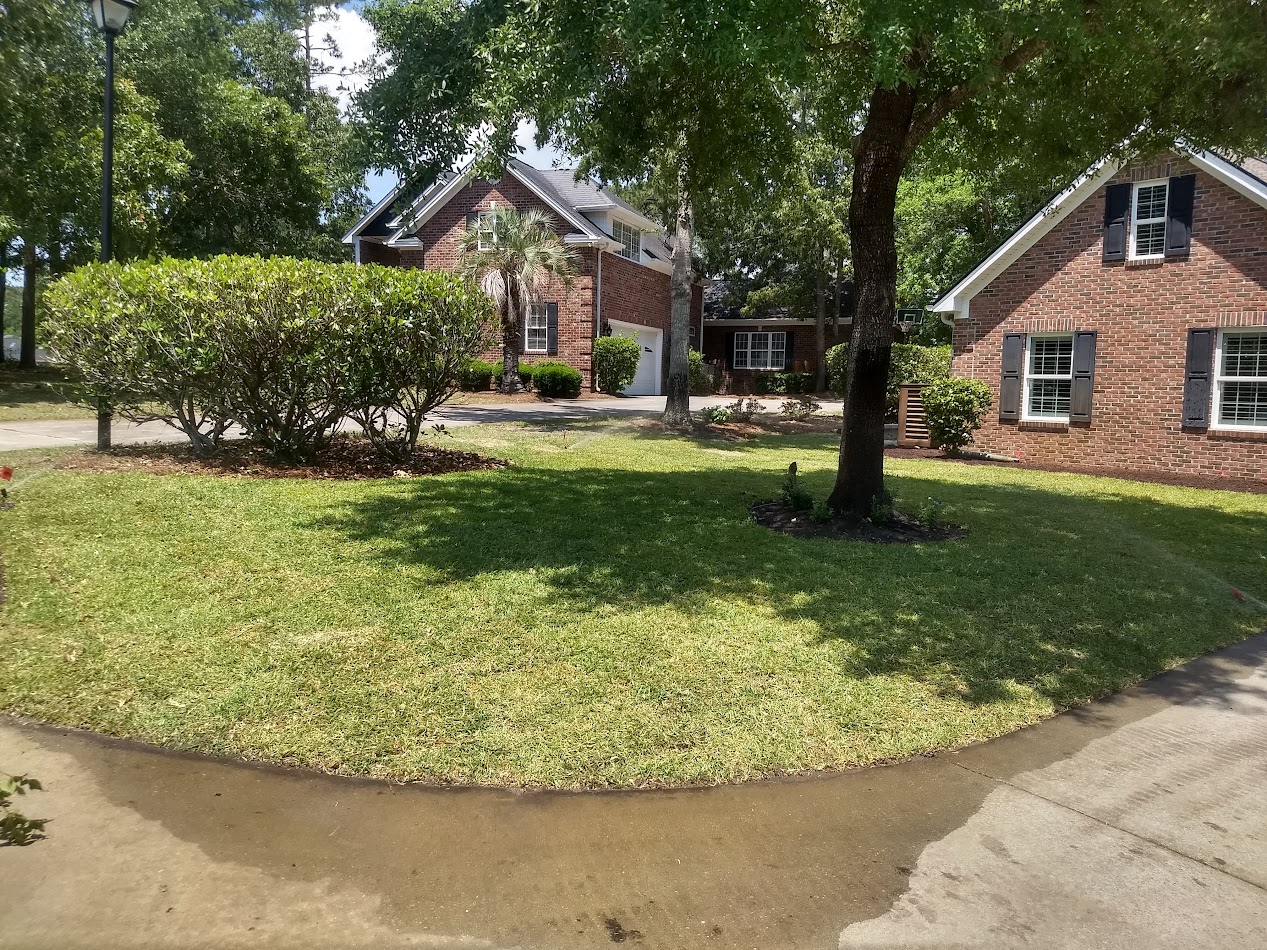
Soil that took months to compact doesn't recover in one season. With consistent aeration, correct watering, and proper mowing height, most new-construction lawns here improve noticeably over two to three years.
That's not the answer anyone wants, but it's the honest one. Anybody promising to fix compacted soil in a single visit is selling you something.
Common Questions
Should the builder fix this?
Depends entirely on your warranty and contract. Many builder warranties cover sod establishment for a limited window only. Worth reading before it expires.
When should I aerate?
For warm-season grass here, late spring through summer while it's actively growing and can recover. Aerating dormant turf causes damage without benefit.
Is it worth starting over with new sod?
Only if you fix the base first. If you're going to remove the lawn anyway, that's the opportunity to address compaction and amend the soil properly. Otherwise you're buying the same problem again.
We'll test the soil depth and tell you what you're actually dealing with.