Termite Control in Murrells Inlet, SC
Marsh-edge moisture, a high water table, and Formosan risk along the water — from creekside cottages to Prince Creek, Wachesaw and TPC. Trelona bait stations installed by a Clemson Master Termite Technician, backed by $1,000,000 in warranty coverage with a $0 deductible, subject to a qualifying inspection.
No cost, no obligation — by a licensed technician.
The saltmarsh is why people move to Murrells Inlet — and it's also why the ground under these homes almost never dries out, which is exactly the condition termites are built to exploit.
Murrells Inlet wraps the tidal creek and its marsh, and that marsh keeps the water table high and the soil saturated a long way back from the water. Saturated soil is the highway subterranean termites travel, and the warm, wet marsh edge is prime habitat — including for Formosan termites, the larger, faster-damaging species that favors moist ground near water. That pressure doesn't skip the upscale side of town: Prince Creek, Wachesaw Plantation and the TPC-area homes sit on the same high-water-table ground, often backing to ponds and the marsh, with more structural wood at stake if a colony gets in. That's why we recommend a free inspection here specifically, water-adjacent homes first.
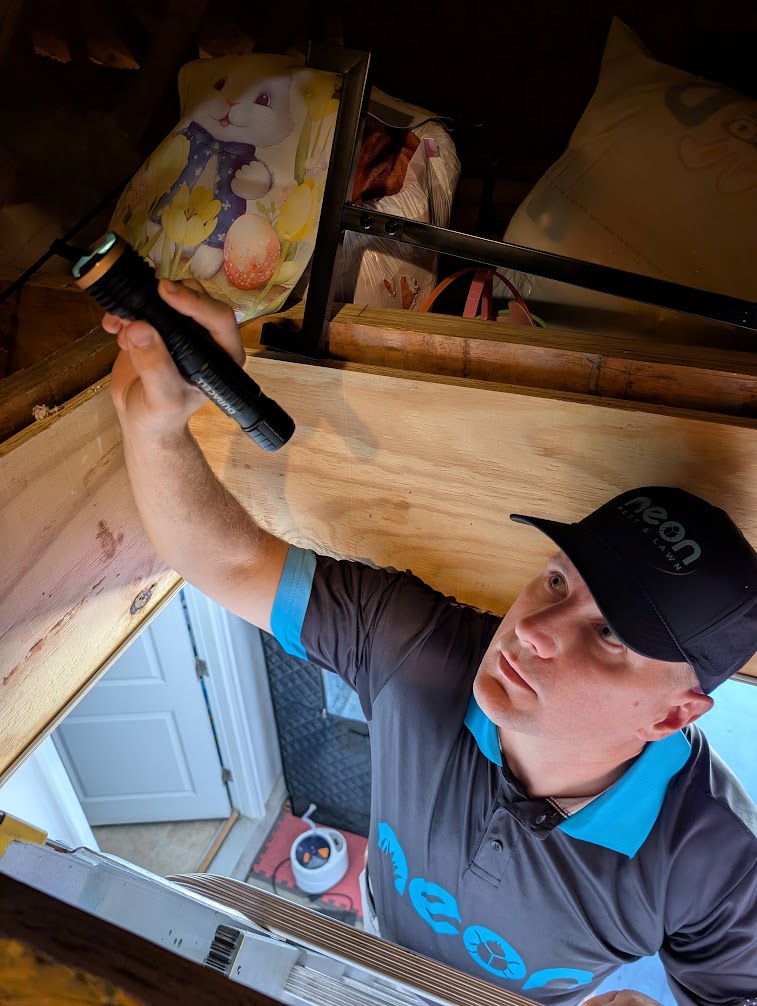
Tony is a Master Termite Technician
That's an advanced certification from Clemson University's Department of Pesticide Regulation — a two-day program for already-experienced termite technicians, with classroom work plus hands-on fieldwork at a house foundation, and both a practical and written exam at the end.
On a marsh-edge Murrells Inlet lot, that experience is the difference between someone who drops stations in the ground and someone who can tell eastern subterranean activity from Formosan, read the moisture line at the foundation and tell you what the colony near the water is actually doing.
Why the marsh edge drives termite pressure
- High water table keeps the soil saturated well back from the creek — a permanent, damp highway for subterranean termites.
- Marsh-edge habitat is warm and wet year-round, prime conditions for large colonies to establish and forage.
- Formosan risk is real near water; this species builds far bigger colonies and damages wood faster than the eastern subterranean.
- Pond- and marsh-backing lots in Prince Creek, Wachesaw and around TPC put larger homes on the same saturated ground.
- Docks, bulkheads and boardwalks add wood in contact with wet soil, giving colonies an easy path toward the house.
Eastern Subterranean and Formosan Swarms on the Water
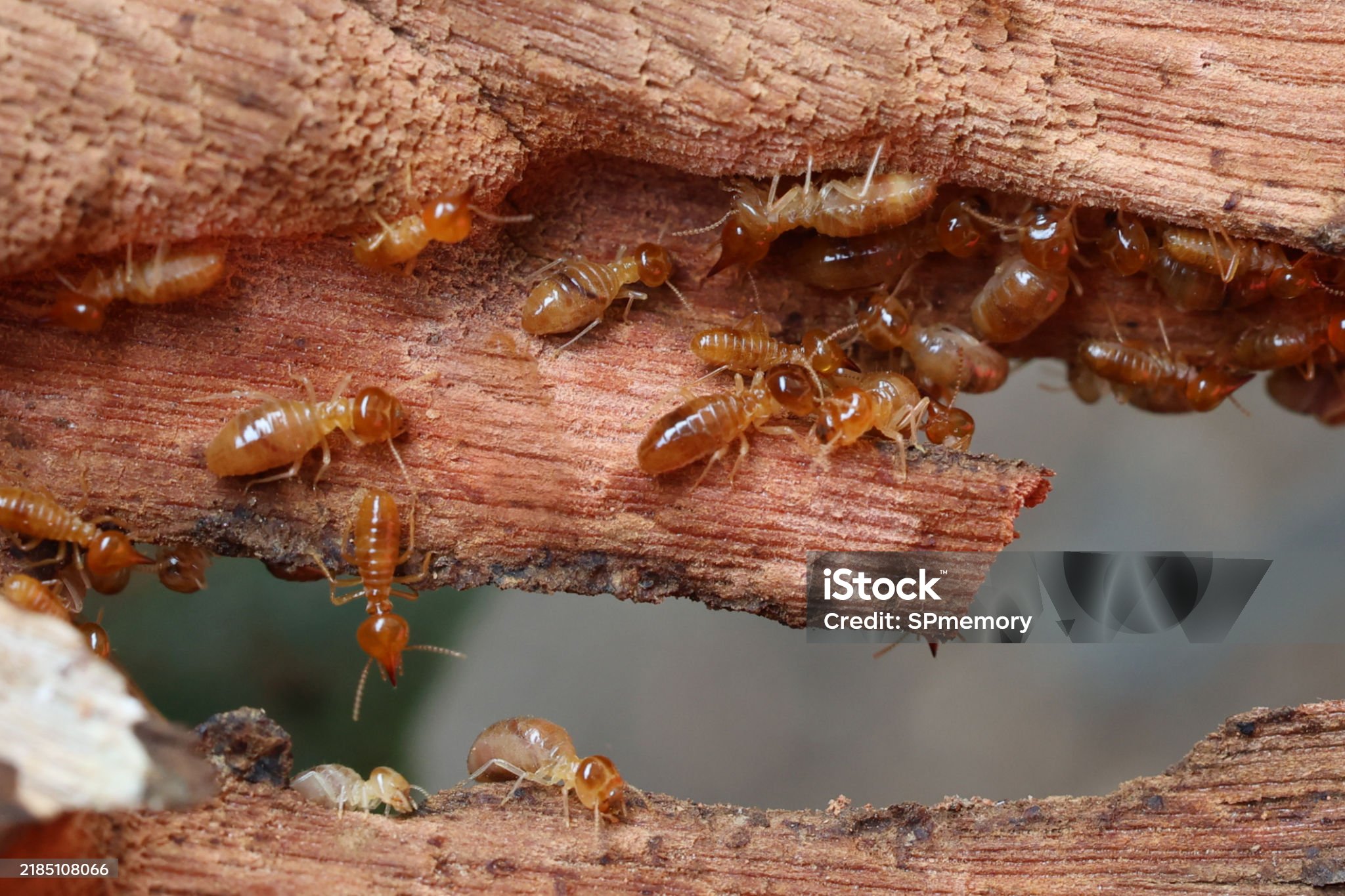
Swarming is the one time termites make themselves obvious, and at the marsh edge the later Formosan swarm is the one to watch.
- Eastern subterranean termites — roughly February through May, usually on warm days after rain, typically during daylight.
- Formosan termites — later, generally May into June, often at dusk and drawn to lights, which the docks and creekside homes of Murrells Inlet supply in quantity.
A dusk swarm near the water doesn't mean the house is infested. It means a colony — possibly a large Formosan one — is established close by, and along the marsh that's worth an inspection now, not next spring.
How Trelona Bait Stations Work
We install Trelona ATBS stations in the soil around your structure, spaced every 10–20 feet around the exterior, set flush to the ground so disruption to manicured, irrigated landscaping is minimal.
Each station holds bait containing novaluron, an insect growth regulator. It doesn't poison termites outright — it blocks their ability to molt, and a termite that can't form a new exoskeleton dies. Foraging workers carry the bait back and share it through trophallaxis, spreading it through the colony until the colony collapses from the inside.
That's colony elimination, not just a barrier that keeps them out of the house while a large colony thrives in the marsh next door. Where the breeding habitat around you is an endless wet marsh, eliminating the colony that reaches your foundation is the answer that actually holds.
Why we only do bait, not liquid
A liquid barrier means trenching the full perimeter — impractical where there's a high water table, a bulkhead, a dock, irrigation and landscaping you paid dearly for. It also protects the structure without touching the colony, which is still out there in the saturated soil. We don't offer liquid treatments. Bait eliminates the colony, installs cleanly around upscale landscaping, and is monitored so new activity — Formosan included — gets caught early.
What It Costs, Plainly
Installation
Covers the stations and the labor to install them around your structure, spaced every 10–20 feet.
$699 for installation, which includes 10 bait stations. Additional stations are $75 each — the perimeter of your home sets the count, not its square footage, and it's confirmed at your free inspection. Assumes no active termites at the time of inspection.
Get a QuoteWarranty & Monitoring
$1,000,000 in warranty coverage with a $0 deductible, subject to your initial inspection. Includes annual inspections. 24-month agreement, then month-to-month.
$39/month on a 24-month agreement, then month-to-month. Final price confirmed after your free inspection.
Get a QuoteThe part worth reading twice
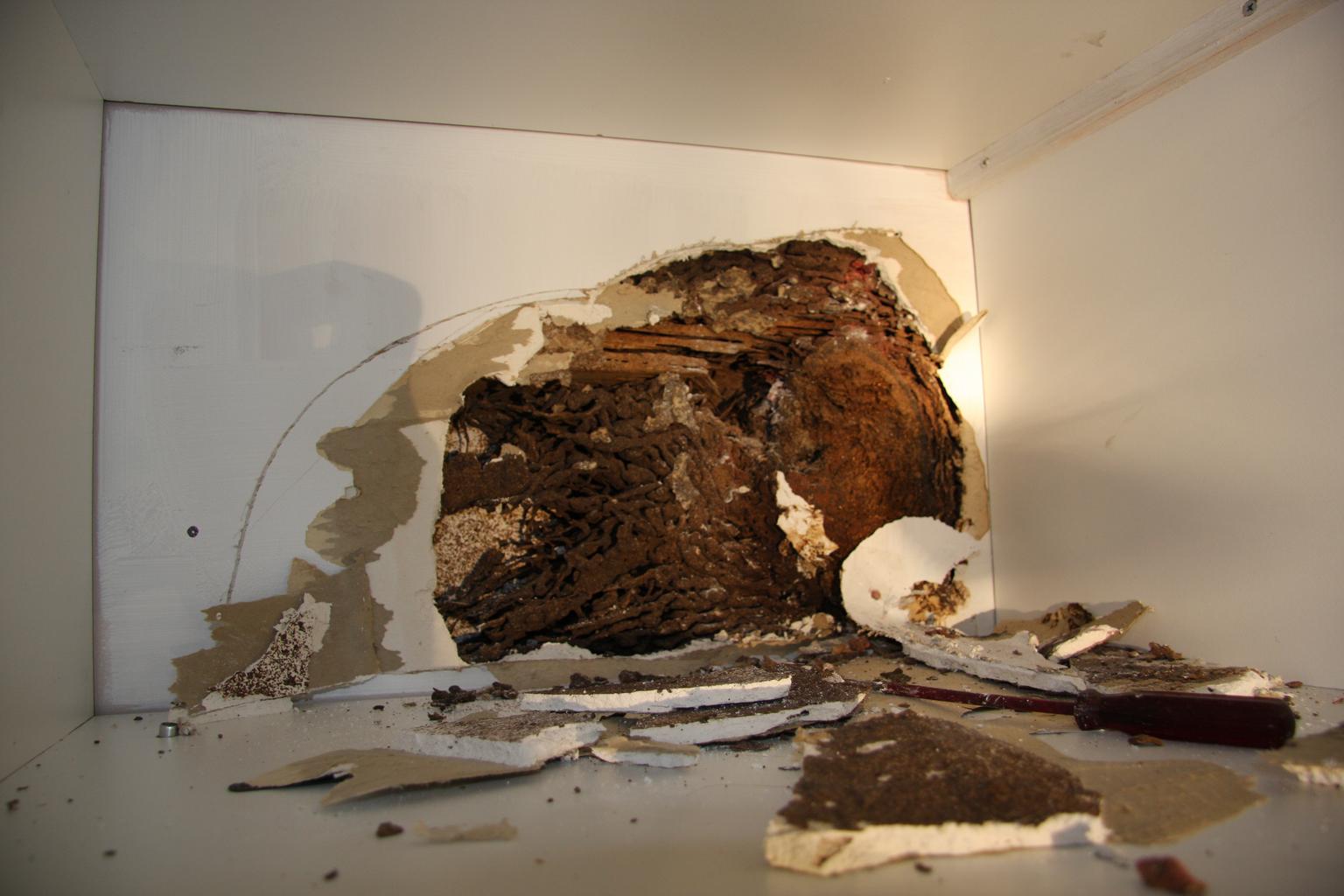
Your homeowners policy almost certainly excludes termite damage as a preventable maintenance issue — and on a high-value Murrells Inlet home, a Formosan colony can run up a repair figure fast. Without a warranty, that bill is entirely yours.
Our warranty covers up to $1,000,000 in future damage from subterranean termites, with a zero-dollar deductible for a qualified home. That's the product you're actually buying: not the stations, and not the annual visit — who pays if termites get through.
What Invites Them In on a Murrells Inlet Lot
Most of it is fixable, and your technician will point it out whether or not you buy anything:
- Wood-to-ground contact — dock posts, bulkhead framing, boardwalks, deck posts and siding near grade
- A high water table and pond- or marsh-backing lots keeping soil saturated
- Mulch and thick beds piled against the foundation, holding moisture right where they want it
- Irrigation systems on manicured lawns running the foundation soil damp
- Downspouts and grading draining toward the foundation instead of away
- Crawlspace moisture on the older creekside cottages
On or near the marsh? Get the free inspection first.
Termite damage stays invisible until it's expensive, and a Formosan colony works fast. A licensed technician checks the crawlspace, sill plates and joists you can't easily see, identifies the species, and installs Trelona® stations only if you move forward. Even if you do nothing with the findings, you'll know exactly where you stand.
Common Questions
How do I know if it's Formosan or eastern subterranean?
Species ID is exactly what a Master Termite Technician is trained for — from the swarmers, the soldiers and the pattern of activity. It matters, because Formosan colonies are larger and faster, and we'll tell you honestly what we find.
Do I need a CL-100 letter to sell my Murrells Inlet home?
Most South Carolina real estate transactions require a wood infestation report, and buyers on the water often insist. Call us and we'll walk you through timing.
How often are the stations checked?
The Trelona ATBS Annual label allows for annual inspection, and that's what the warranty includes. On a high-pressure marsh-edge lot, we'll check more often if activity warrants it.
Can I skip the warranty and just buy the installation?
If your home doesn't qualify for the damages warranty — or you'd rather not carry it — you can still have the bait stations installed and monitored without the $1,000,000 coverage, for a lower monthly price.
Communities we serve in Murrells Inlet: Prince Creek, Wachesaw Plantation, TPC Myrtle Beach, Blackmoor, Woodlake, Collins Creek, Indigo Creek, Mount Gilead, and the older MarshWalk-area cottages down by the creek.
Nearby? See termite control in Garden City Beach and Surfside Beach, or the full pest control in Murrells Inlet plan.
Free Termite Inspection in Murrells Inlet
By a Master Termite Technician. Find out where you stand.
Book an Inspection