Mosquito Control in Conway, SC
Waccamaw River bottomland, cypress swamp and heavy canopy. When the river rises, floodwater mosquitoes hatch in waves. We make the yard usable.
Or book a free evaluation and we'll find your breeding sources.
Conway's mosquito problem isn't the saltmarsh — it's the river. The Waccamaw bottomland breeds floodwater mosquitoes by the millions, and it isn't your property to drain. What we can do is take back your yard.
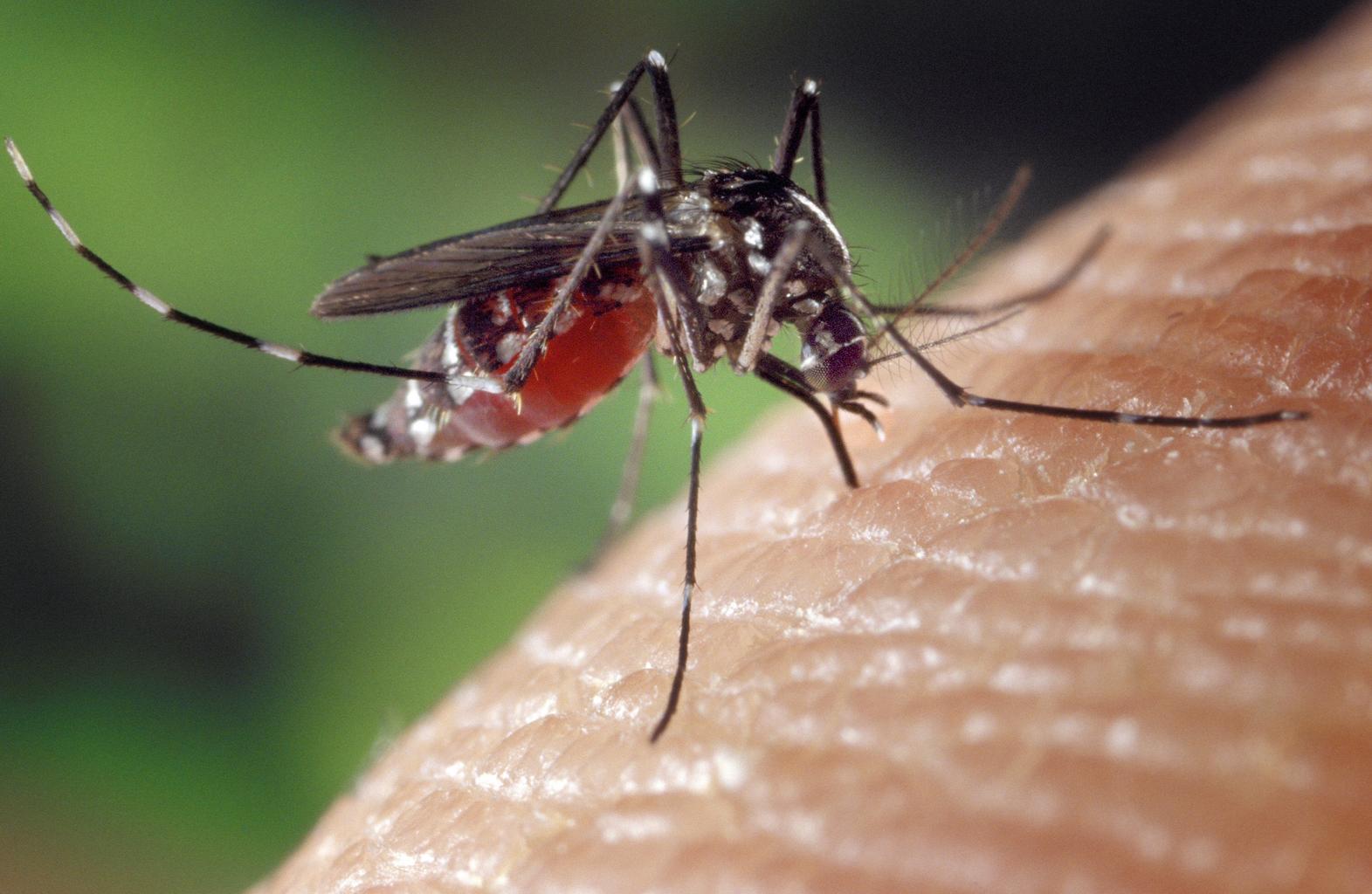
Conway sits inland on the blackwater Waccamaw River, wrapped in cypress swamp, oxbows and low, wooded bottomland. That setting produces a very different mosquito than the coast: floodwater mosquitoes. These species lay their eggs in damp low ground rather than open water, and the eggs can lie dormant for weeks or months. Then a heavy rain or a river rise floods the bottomland, and the whole batch hatches at once. That's why Conway can be quiet one week and swarming the next, on no obvious schedule other than the water. Layer in the town's heavy tree canopy — those big oaks and pines give adult mosquitoes cool, shaded, humid harborage to rest in all day — and you get a place that bites hard whenever the ground stays wet.
The river bottomland is the source, not your lot
Any company that promises to make a Conway riverside lot mosquito-free is selling you something that doesn't exist. The swamp and bottomland are effectively infinite breeding habitat, and they aren't yours to treat. Our job is honest and different: knock down the adults resting in your canopy and shaded edges, and treat the standing water on your own property, so the porch and yard become usable through the season.
Mosquito Season in Conway
- March–May — activity begins as temperatures climb; spring rain and river rises flood the bottomland.
- June–September — peak. Heat, afternoon thunderstorms and any river event trigger big floodwater hatches.
- October–November — pressure tapers but lingers in the shaded, damp low ground.
- Winter — mostly quiet, though warm, wet spells can bring short resurgences.
Where They're Breeding on Your Property
The swamp is out of reach, but the wet spots on your own lot are not — and after a river rise they multiply. Common sources people miss:
- Low, shaded areas that stay soggy for days after rain or high water
- Ditches, swales and drainage that hold water below the canopy
- Clogged gutters under heavy tree cover — the single most overlooked source
- Tree holes, stumps and leaf-packed depressions in wooded yards
- Tarps, boat covers, buckets and containers under the shade
- Birdbaths, plant saucers and anything holding water for about a week
Your technician walks the property and points these out. Fixing the ones you can is usually free and does more than any treatment.
The Season, in Real Terms
Our mosquito program runs 7 monthly treatments, starting in April or early May and continuing through October or early November — the stretch when mosquitoes are actually active on this coast. The cost is spread evenly over 12 monthly payments, so your bill stays level even though the visits are seasonal. Every visit is the same two-step process.
How We Actually Treat It — A Two-Step Process
Killing today's adults does nothing about tomorrow's. So we treat both ends of the mosquito's life cycle.
1. Fogging — the adults
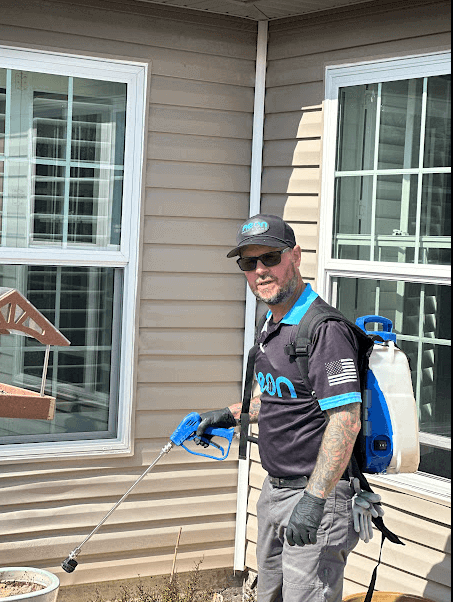
Using a backpack mister, your technician fogs the heavy canopy edges, shaded shrubs, fence lines and low harborage where mosquitoes rest during the day with OneGuard. In Conway's tree cover that shaded resting habitat is dense, so that's where the fog is concentrated. It knocks down the adults on your property and leaves residual on the foliage where they land.
Heavy rain and a rising river shorten it. That's not a product failure — it's exactly why treatment is recurring through the season rather than one-and-done, and why it matters more here after a flood event.
2. Altosid granules — the larvae
Applied to the standing-water sources you can't eliminate — ditches, low spots that hold flood water, downspouts — to stop breeding before it starts. The active ingredient is (S)-methoprene, an insect growth regulator.
It doesn't kill larvae outright. Larvae develop normally right up to the pupal stage — then die before emerging as biting adults. The mosquito never completes its life cycle.
- Provides up to about 30 days of control in standing water
- Target-specific — does not affect fish, waterfowl, mammals or beneficial predatory insects, which matters near the river and swamp
- Used in the places you can't drain: ditches, low spots, downspouts, catch basins, drainage areas
This is the part that compounds
Fogging alone means killing adults that keep getting replaced — and after a river rise the replacements arrive by the wave. Add the granules and fewer adults get produced on your lot in the first place. Run both through 7 monthly visits and the population you're fighting in August is smaller than it would have been. It won't be zero on the bottomland. It will be a yard you can sit in.
Common Questions
Will one treatment fix it?
No, especially on the river. Floodwater mosquitoes hatch in waves whenever the bottomland floods, so control means recurring treatment through the active season, paired with removing what standing water you can on your own lot.
Why did the mosquitoes come back overnight after a storm?
That's the floodwater pattern. Dormant eggs in the low ground hatch all at once when the water rises, so a single storm or river event can flip your yard from bearable to swarming in a day or two. Recurring treatment keeps you ahead of those pulses.
Do mosquito treatments hurt pollinators?
Application matters. Treatments are directed at shaded resting areas rather than blooming plants, and timing avoids peak pollinator activity where possible. Your technician applies according to the product label, which includes pollinator protection requirements.
Do you use mosquito traps?
No. Traps catch a small fraction of the population and do nothing about the river bottomland or the wet ground breeding mosquitoes on the rest of your lot. Our two-step program of fogging and larvicide treats the adults you have now and prevents the next generation, which does more than any trap.
Communities we serve in Conway: Historic downtown and the Riverwalk district, Wild Wing Plantation, Rivertown Row, Hillsborough, Coastal Carolina University area, Kingston Lake, and the wooded riverside lots along the Waccamaw.
Nearby inland or wooded? See mosquito control in Carolina Forest, or the full pest control in Conway plan.
Get Your Conway Yard Back
We'll find the sources and treat the resting areas.
Click for Instant Pricing →