
Termite Control in Conway, SC
Older and historic homes, damp crawlspaces under heavy oak shade, and Waccamaw River moisture — the textbook conditions for subterranean termites. Trelona bait stations installed by a Clemson Master Termite Technician, backed by $1,000,000 in warranty coverage with a $0 deductible, subject to a qualifying inspection.
No cost, no obligation — by a licensed technician.
If you drew up the perfect place for subterranean termites to live, it would look a lot like an old Conway home: a shaded crawlspace, damp river-valley soil, and original wood that's been in the ground for decades.
Conway is the county's oldest inland town, and its housing shows it — historic downtown homes, established neighborhoods along Kingston Lake and the Waccamaw River, and mature oak canopies over almost all of it. Those oaks and that river are the town's charm and its termite problem at once. Heavy shade keeps the ground from drying between rains, the Waccamaw keeps the whole valley humid, and crawlspace construction traps that moisture against original sill plates and floor joists. Eastern subterranean termites don't need a swarm to find a house like that; they follow the damp soil in. That's why we recommend a free inspection here specifically, on the older homes above all.
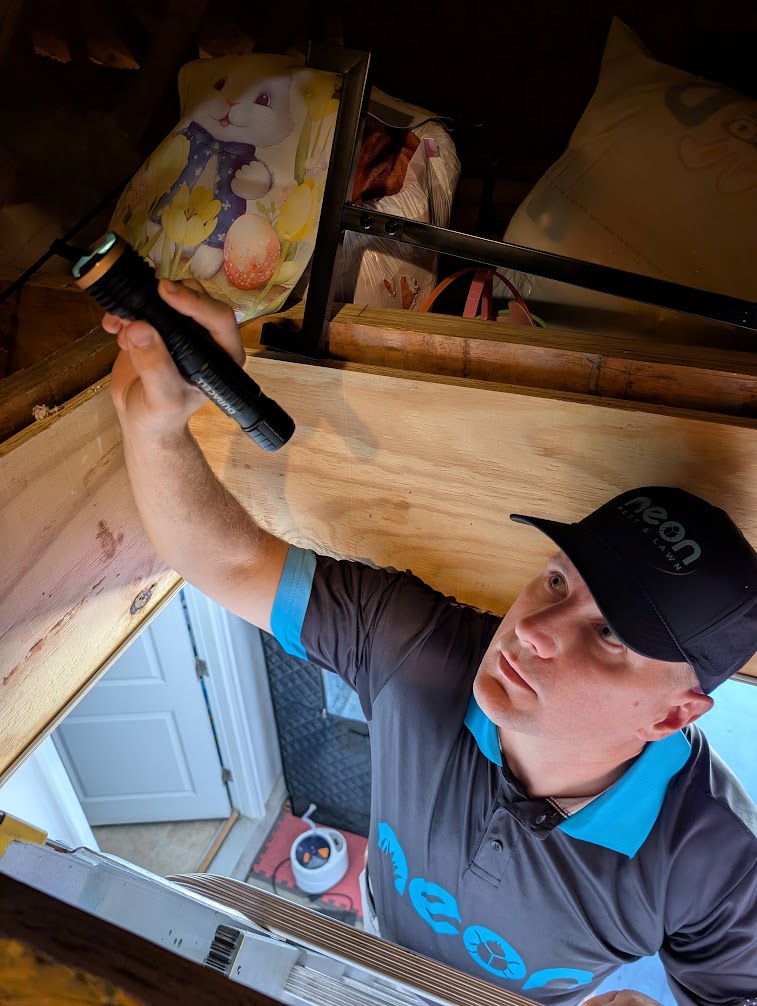
Tony is a Master Termite Technician
That's an advanced certification from Clemson University's Department of Pesticide Regulation — a two-day program for already-experienced termite technicians, with classroom work plus hands-on fieldwork at a house foundation, and both a practical and written exam at the end.
In an old Conway crawlspace, that experience is the difference between someone who drops stations in the ground and someone who reads the mud tubes on the brick piers, the moisture line on the joists and the softness in a century-old sill and tells you what the colony is actually doing under your house.
Why Conway is classic subterranean territory
- Damp crawlspaces under older and historic homes trap humidity against original wood — a subterranean termite's ideal micro-climate.
- Waccamaw River moisture keeps the whole river valley humid and the soil damp well back from the water.
- Heavy oak shade means the ground rarely dries out between rains, keeping the soil highways termites travel wet year-round.
- Aged, settled wood — decades-old sill plates, floor joists and porch framing near grade give colonies an easy way in.
- Established landscaping with old mulch beds and shrubs against the foundation holds moisture right where colonies want it.
Eastern Subterranean Swarms in the River Valley
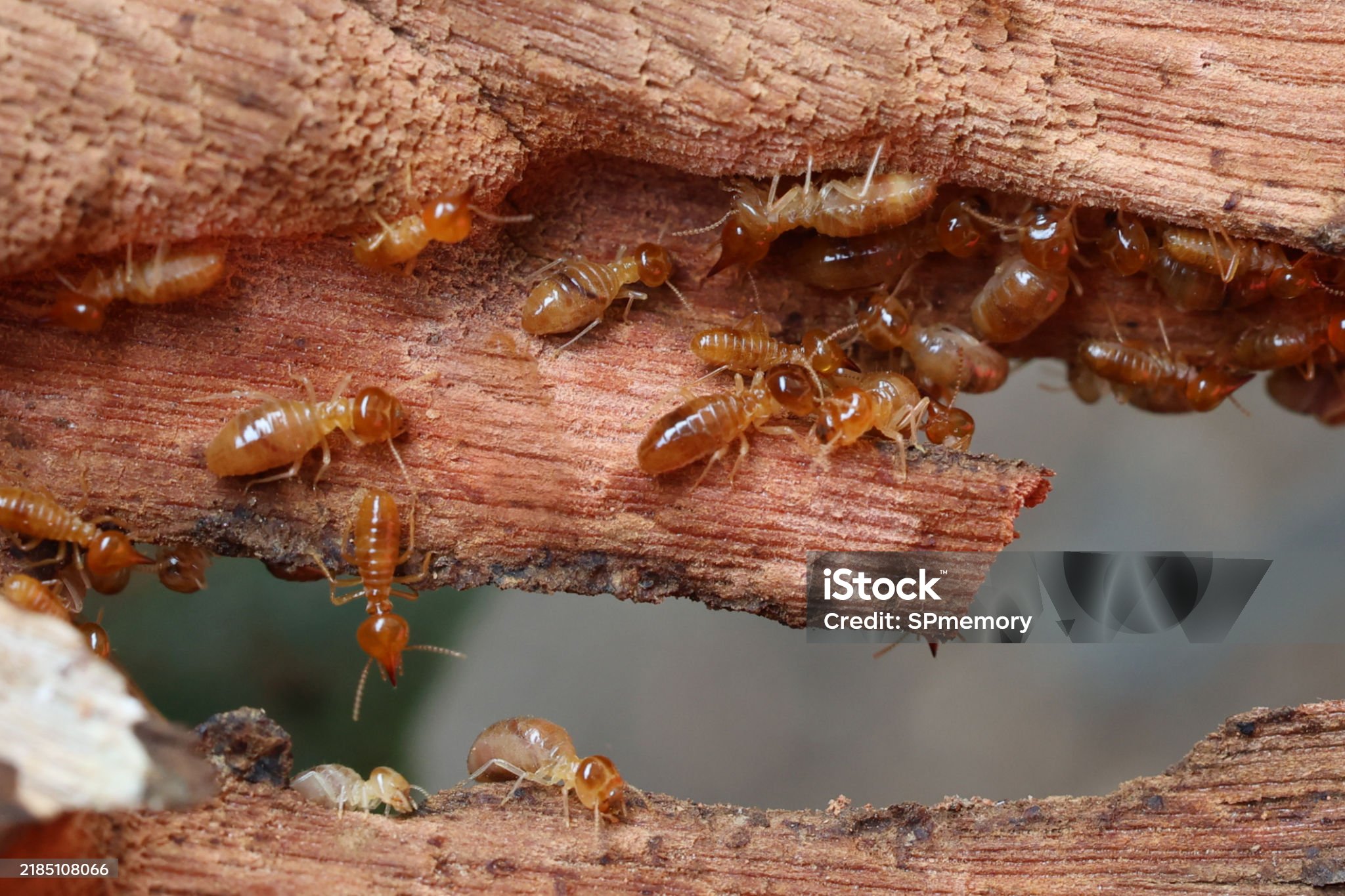
Swarming is the one time termites make themselves obvious, and in Conway's damp inland conditions the eastern subterranean is the one you're most likely to see.
- Eastern subterranean termites — roughly February through May, usually on warm days after rain, typically during daylight; the dominant pressure on Conway's shaded, humid lots.
- Formosan termites — later, generally May into June, often at dusk and drawn to lights, a growing presence as they push inland.
A swarm inside an older Conway home is not a maybe — it's a strong sign of an established colony in or under the structure, and that's worth an inspection today, not next spring.
How Trelona Bait Stations Work
We install Trelona ATBS stations in the soil around your structure, spaced every 10–20 feet around the exterior, set flush to the ground so disruption to established landscaping is minimal.
Each station holds bait containing novaluron, an insect growth regulator. It doesn't poison termites outright — it blocks their ability to molt, and a termite that can't form a new exoskeleton dies. Foraging workers carry the bait back and share it through trophallaxis, spreading it through the colony until the colony collapses from the inside.
That's colony elimination, not just a barrier while the colony keeps working the damp soil under your crawlspace. On a historic home where the moisture conditions won't change, eliminating the colony that reaches your foundation is the answer that actually holds.
Why we only do bait, not liquid — and why that matters on an old home
A liquid barrier means trenching the full perimeter and often drilling — a real problem around historic brick piers, original porches and mature landscaping you don't want disturbed. And it protects the structure without touching the colony, which is still out there in the wet soil. We don't offer liquid treatments. Bait eliminates the colony, installs with no trenching or drilling into old masonry, and is monitored so new activity gets caught early.
What It Costs, Plainly
Installation
Covers the stations and the labor to install them around your structure, spaced every 10–20 feet.
$699 for installation, which includes 10 bait stations. Additional stations are $75 each — the perimeter of your home sets the count, not its square footage, and it's confirmed at your free inspection. Assumes no active termites at the time of inspection.
Get a QuoteWarranty & Monitoring
$1,000,000 in warranty coverage with a $0 deductible, subject to your initial inspection. Includes annual inspections. 24-month agreement, then month-to-month.
$39/month on a 24-month agreement, then month-to-month. Final price confirmed after your free inspection.
Get a QuoteThe part worth reading twice
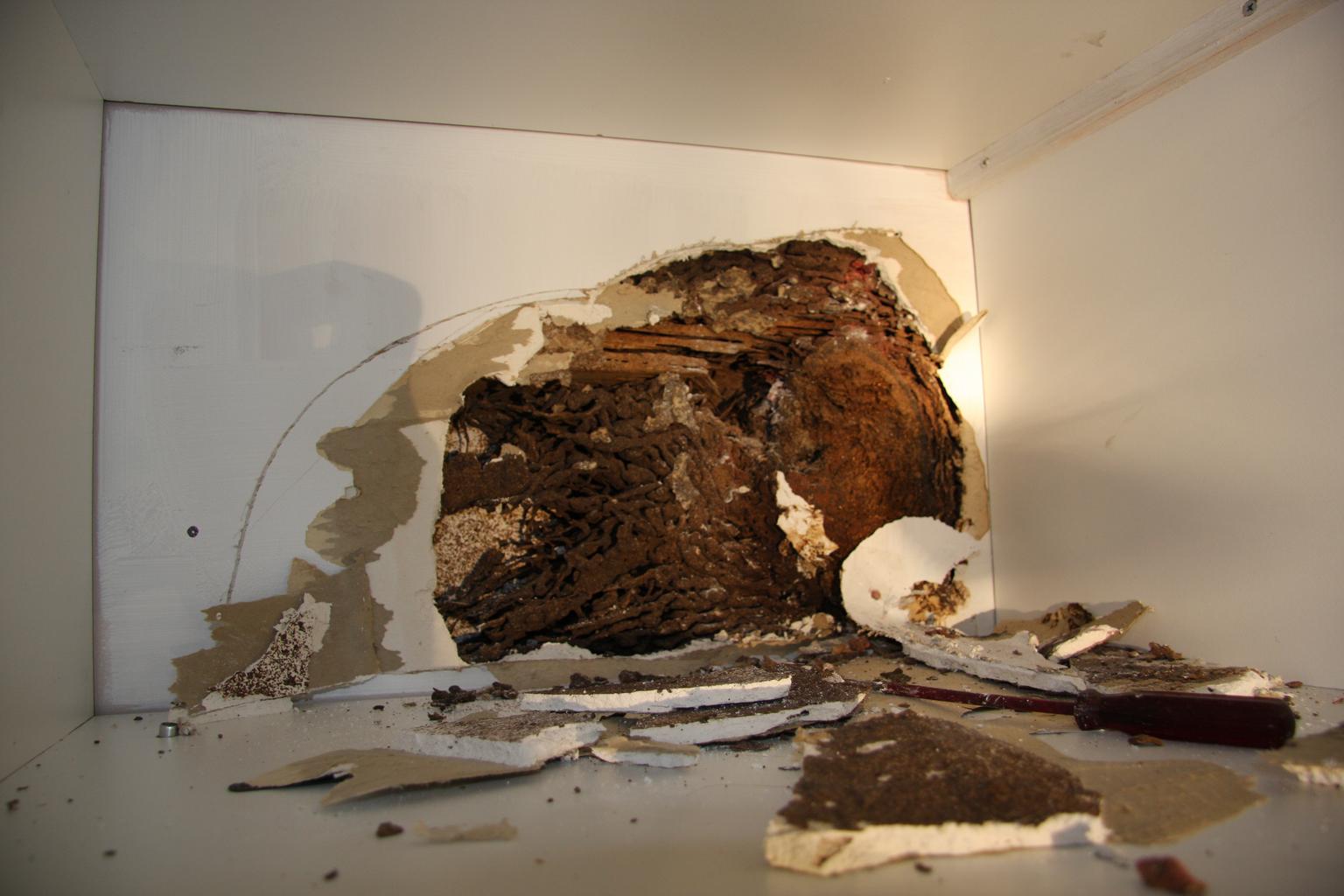
Your homeowners policy almost certainly excludes termite damage as a preventable maintenance issue — and on an older Conway home, replacing damaged heart-pine framing and original joists is not a cheap repair. Without a warranty, that bill is entirely yours.
Our warranty covers up to $1,000,000 in future damage from subterranean termites, with a zero-dollar deductible for a qualified home. That's the product you're actually buying: not the stations, and not the annual visit — who pays if termites get through.
What Invites Them In on a Conway Lot
Most of it is fixable, and your technician will point it out whether or not you buy anything:
- Crawlspace moisture and poor ventilation on older homes — the number-one driver here
- Wood-to-ground contact on aged porch posts, steps, sill plates and siding near grade
- Old mulch beds and shrubs piled against the foundation, holding moisture
- Downspouts and grading draining toward the foundation instead of away
- Deep leaf litter and shade keeping the soil damp against the piers
- Irrigation heads spraying the foundation or the crawlspace vents
Own an older Conway home? Get the free inspection first.
Termite damage stays invisible until it's expensive, and in a shaded crawlspace it's easy to miss for years. A licensed technician checks the sill plates, joists and moisture conditions you can't easily see, and installs Trelona® stations only if you move forward. Even if you do nothing with the findings, you'll know exactly where you stand.
Common Questions
My Conway home is historic — will the install damage anything?
No. The stations go in the soil around the structure with no trenching and no drilling into old brick or masonry. That's a main reason we chose bait over liquid for homes like yours.
Do I need a CL-100 letter to sell my Conway home?
Most South Carolina real estate transactions require a wood infestation report, and on older homes buyers and lenders often insist. Call us and we'll walk you through timing.
How often are the stations checked?
The Trelona ATBS Annual label allows for annual inspection, and that's what the warranty includes. On a damp crawlspace lot with heavier pressure, we'll check more often if activity warrants it.
Can I skip the warranty and just buy the installation?
If your home doesn't qualify for the damages warranty — or you'd rather not carry it — you can still have the bait stations installed and monitored without the $1,000,000 coverage, for a lower monthly price.
Communities we serve in Conway: historic downtown Conway, Rivertown, Wild Wing Plantation, Myrtle Trace, Shaftesbury Estates, University Forest, Hackler, Kingston Lake, and the older established neighborhoods along the Waccamaw River.
Nearby? See termite control in Carolina Forest and Myrtle Beach, or the full pest control in Conway plan.
Free Termite Inspection in Conway
By a Master Termite Technician. Find out where you stand.
Book an Inspection