
Termite Control in Garden City Beach, SC
A narrow strip between ocean and marsh — high humidity, a high water table, and heavy rentals where inspections lapse between guests. Trelona bait stations installed by a Clemson Master Termite Technician, backed by $1,000,000 in warranty coverage with a $0 deductible, subject to a qualifying inspection.
No cost, no obligation — by a licensed technician.
Garden City Beach is squeezed onto a thin strip with the ocean on one side and the marsh on the other — which means there's nowhere for the ground to dry out, and everywhere for termites to thrive.
Water on both sides keeps the table high and the air humid from two directions at once, so the soil under a Garden City home stays damp year-round. Constant moisture is the single biggest driver of subterranean termite activity, and on a strip this narrow every house sits close to saturated ground. Then add the other half of the problem: Garden City is heavily rental, much of it weekly turnover, so during termite season the owner is rarely there and inspections quietly lapse between guests. Damp ground plus nobody watching is how a colony runs a whole season under a house unnoticed — and why we recommend a free inspection here specifically.
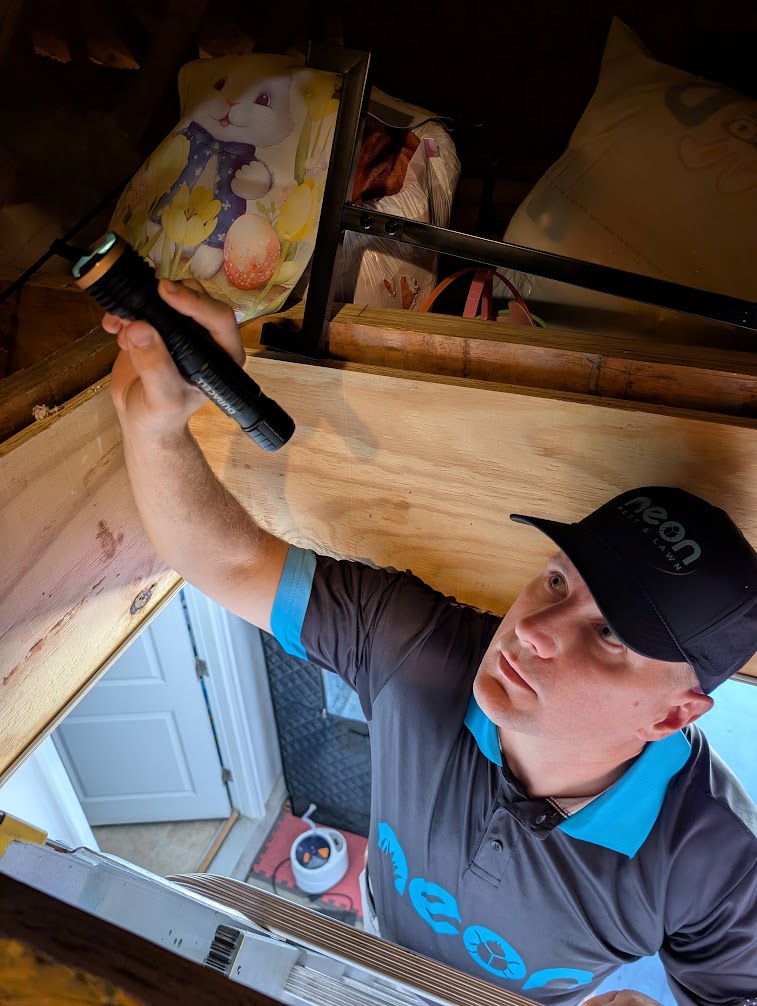
Tony is a Master Termite Technician
That's an advanced certification from Clemson University's Department of Pesticide Regulation — a two-day program for already-experienced termite technicians, with classroom work plus hands-on fieldwork at a house foundation, and both a practical and written exam at the end.
On a rental-heavy Garden City lot, that experience is the difference between someone who drops stations in the ground and someone who reads the mud tubes, the sill plates and the moisture line and tells you what the colony is doing under a house that's booked most of the year.
Why the ocean-and-marsh strip is high pressure
- Water on both sides — ocean and saltmarsh — keeps the water table high and the humidity relentless.
- A narrow strip means every home is close to saturated soil; there's no dry buffer anywhere.
- Heavy rental turnover leaves properties unwatched through termite season, so inspections lapse between guests.
- Crawlspace and raised construction on the older cottages traps that humidity against the floor framing.
- Wood at grade — stairs, deck posts, showers and skirting — gives colonies an easy way up into rental after rental.
Eastern Subterranean and Formosan Swarms in Rental Season
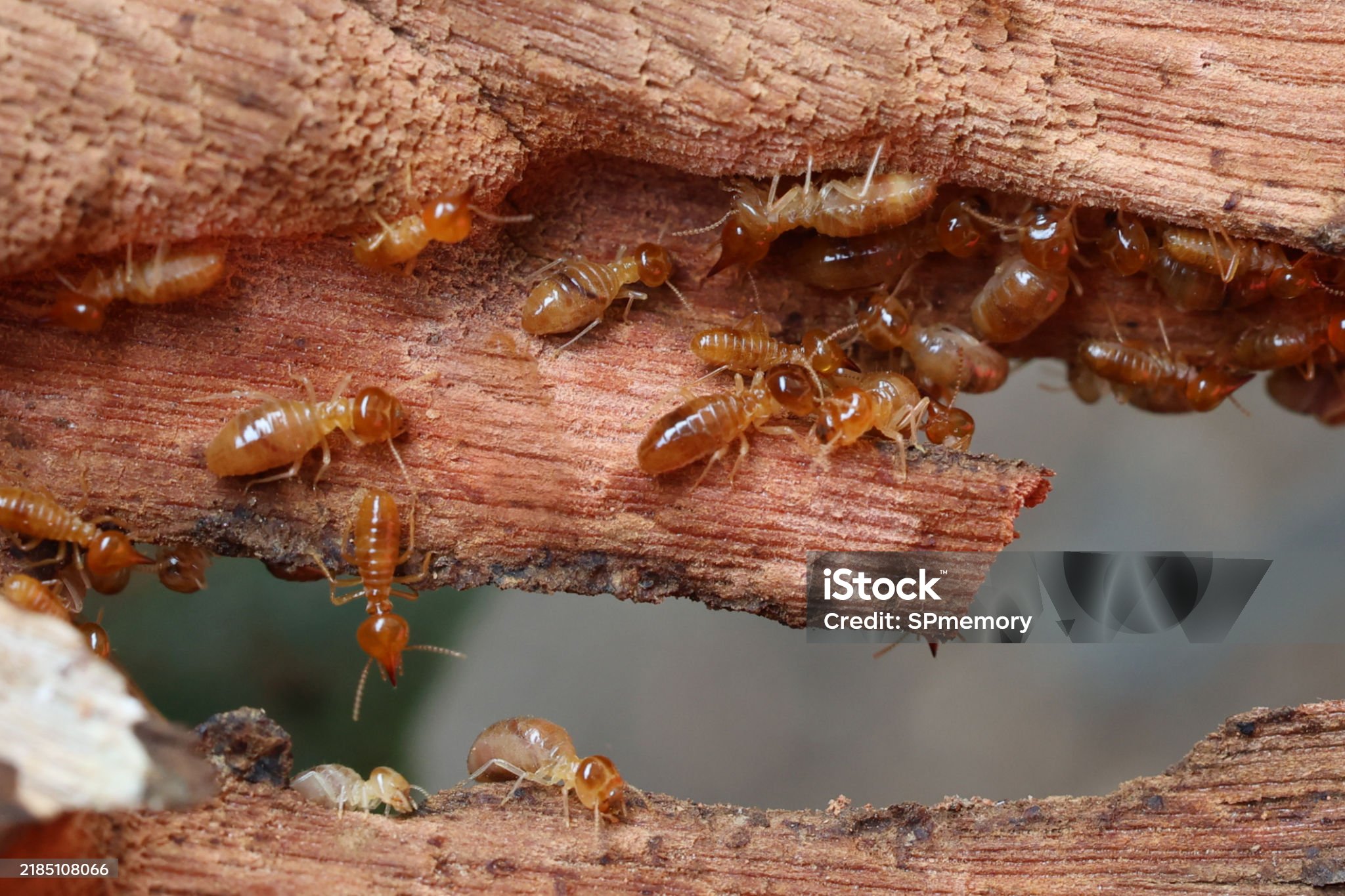
Swarming is the one time termites make themselves obvious — and in Garden City it often happens with a guest, not the owner, in the house.
- Eastern subterranean termites — roughly February through May, usually on warm days after rain, typically during daylight.
- Formosan termites — later, generally May into June, often at dusk and drawn to lights, which the dense rental blocks along Atlantic Avenue and Waccamaw Drive supply in quantity.
A swarm near your rental doesn't mean the house is infested. It means a colony is established close by — and on a packed rental strip that nobody's watching daily, that's worth an inspection now, not next season.
How Trelona Bait Stations Work
We install Trelona ATBS stations in the soil around your structure, spaced every 10–20 feet around the exterior, set flush to the ground so disruption to the rental yard is minimal.
Each station holds bait containing novaluron, an insect growth regulator. It doesn't poison termites outright — it blocks their ability to molt, and a termite that can't form a new exoskeleton dies. Foraging workers carry the bait back and share it through trophallaxis, spreading it through the colony until the colony collapses from the inside.
That's colony elimination, not just a barrier while the colony keeps working the saturated soil under a house you can't watch. On a rental that's booked most of the year, a monitored system that takes out the colony is the answer that actually holds.
Why we only do bait, not liquid
A liquid barrier means trenching the full perimeter — disruptive on a tight rental lot with skirting, showers and a high water table. And it protects the structure without touching the colony, which is still out there in the wet sand. We don't offer liquid treatments. Bait eliminates the colony, installs with minimal disruption, and is monitored continuously — which is exactly what a property nobody's living in needs.
What It Costs, Plainly
Installation
Covers the stations and the labor to install them around your structure, spaced every 10–20 feet.
$699 for installation, which includes 10 bait stations. Additional stations are $75 each — the perimeter of your home sets the count, not its square footage, and it's confirmed at your free inspection. Assumes no active termites at the time of inspection.
Get a QuoteWarranty & Monitoring
$1,000,000 in warranty coverage with a $0 deductible, subject to your initial inspection. Includes annual inspections. 24-month agreement, then month-to-month.
$39/month on a 24-month agreement, then month-to-month. Final price confirmed after your free inspection.
Get a QuoteThe part worth reading twice
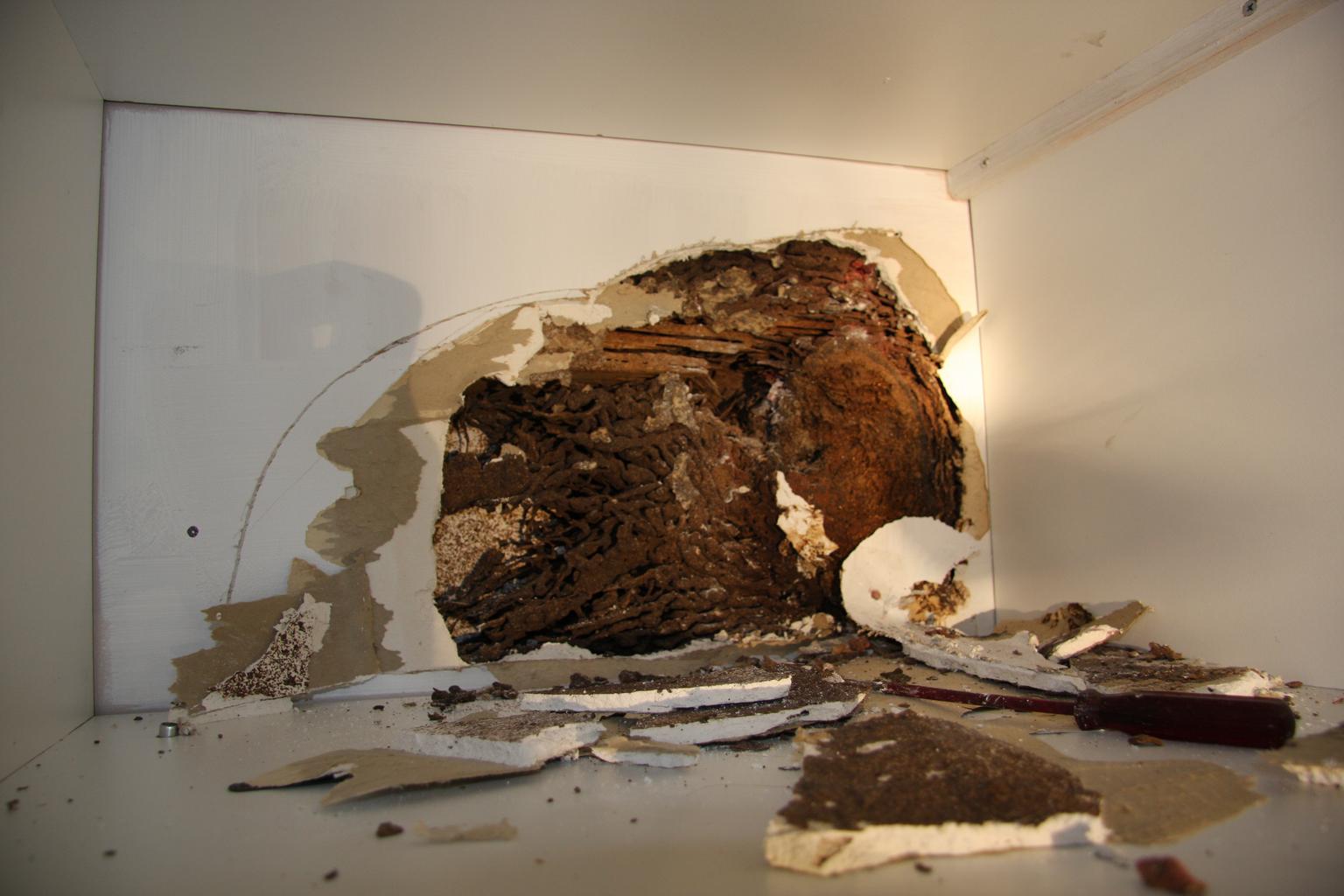
Your homeowners policy almost certainly excludes termite damage as a preventable maintenance issue — and that holds on a rental policy too. Without a warranty, the bill for damage that ran unseen through a rental season is entirely yours.
Our warranty covers up to $1,000,000 in future damage from subterranean termites, with a zero-dollar deductible for a qualified home. That's the product you're actually buying: not the stations, and not the annual visit — who pays if termites get through while the place is booked.
What Invites Them In on a Garden City Lot
Most of it is fixable, and your technician will point it out whether or not you buy anything:
- A high water table and marsh-and-ocean humidity keeping the soil saturated
- Wood-to-ground contact — stairs, deck posts, outdoor showers and skirting touching grade
- Mulch and sand piled against footings and foundation, holding moisture
- Downspouts and grading draining toward the foundation instead of away
- Crawlspace moisture and poor ventilation on the older cottages
- No full-time occupant watching for the early signs between guests
Own a Garden City rental? Get the free inspection first.
Termite damage stays invisible until it's expensive, and on a weekly rental invisible lasts a whole season. A licensed technician checks the crawlspace, sill plates and moisture line you can't easily see, and installs Trelona® stations only if you move forward. Even if you do nothing with the findings, you'll know exactly where you stand.
Common Questions
Can you work around my rental calendar?
Yes — scheduling around turnover is routine for us. Send the access details and we'll fit the inspection and any service into a gap between bookings and report back.
Do I need a CL-100 letter to sell my Garden City home?
Most South Carolina real estate transactions require a wood infestation report, and it comes up often on rental properties changing hands. Call us and we'll walk you through timing.
How often are the stations checked?
The Trelona ATBS Annual label allows for annual inspection, and that's what the warranty includes. On a high-pressure rental strip we'll check more often if activity warrants it.
Can I skip the warranty and just buy the installation?
If your home doesn't qualify for the damages warranty — or you'd rather not carry it — you can still have the bait stations installed and monitored without the $1,000,000 coverage, for a lower monthly price.
Communities we serve in Garden City Beach: the Garden City Point cottages, Inlet Harbour, Salters Cove, Sea Watch, Murrells Inlet Road homes, and the rental blocks along Atlantic Avenue and Waccamaw Drive.
Nearby? See termite control in Surfside Beach and Murrells Inlet, or the full pest control in Garden City Beach plan.
Free Termite Inspection in Garden City Beach
By a Master Termite Technician. Find out where you stand.
Book an Inspection